Accounting, ERP, & Custom Integrations
Imagine a world where your Finance and Client teams share information – from a complete Customer view.
Coordona builds ERP integrations to help you achieve that complete customer picture. We connect the dots between your sales, operations, and finances, all in the name of smarter business decisions.
Why Your Business Systems Need to Talk
The Power of System Integrations
Think of your business systems as highly skilled individuals in different departments. Your sales team is a fantastic closer, your finance team is a meticulous record-keeper, and your operations team is a master of execution.
But what happens if they’re all working in silos, shouting information across the office or relying on sticky notes, Slack, and email? Noise! Anger! Miscommunication! Chaos!
System integration is about getting all these brilliant minds of your business systems to communicate seamlessly, share vital information, and work together like a well-oiled machine.
In defining what system integration is, we can explain why fostering this digital dialogue is non-negotiable for modern business.
What Is System Integration?
A Unified View of Your Business
Break down those data silos! A CRM integration or ERP integration creates a single, consistent source of truth.
Boosted Operational Efficiency
Automate repetitive tasks, eliminate manual data entry, and streamline workflows.
Enhanced Decision-Making
Use real-time, accurate data flowing freely, to spot trends, identify bottlenecks, and make faster decisions, without guesswork.
Improved Customer Experience
From personalized interactions to faster service, and accurate order fulfillment, a connected back-end means a seamless front-end for your customers.
Scalability for Growth
Well-designed systems integrations ensure your infrastructure can scale with your business without breaking a sweat – or adding headcount.
How Custom Integration Can Improve Your Business Processes
Smaller accounting systems like Quickbooks and Xero are amazing tools for small and medium-sized businesses, but some solutions can drain the coffers. Don’t pay through the nose for a solution. Our Data Nerds can whip up a Quickbooks integration or Xero integration to help you level up without a hefty price tag.

The Silent Sabotage: Risks of Not Building Systems Integrations
Ignoring the need for system integrations is like trying to drive a high-performance race car with square wheels. You might move, but it’s going to be slow, bumpy, and ultimately, you’ll be left far behind. The hidden costs and inefficiencies of disconnected systems can silently sabotage your business. Consider these painful realities of siloed operations:
Data Inconsistencies & Errors
Outdated or conflicting data leads to inaccurate reporting, flawed analysis, and decisions based on bad data – aka, leaving you operating in the dark.
Operational Bottlenecks & Delays
Manual data transfers, emailing spreadsheets only to re-upload them elsewhere, re-keying information, and constant cross-referencing costs time and money!
Wasted Time & Resources
Your valuable employees can spend hours on mundane, repetitive tasks. That’s time and talent diverted from innovation and customer engagement – or worse – talent that may grow bored and leave.
Poor Customer Experience
Disconnected systems mean disjointed customer interactions, delays on response times, erroneous communications, and missed upsell opportunities.
The Integration Illusion: “We can just handle this in house”
The idea of tackling a system integration yourself or with an internal team can seem appealing – after all, how hard can it be to connect two systems? Harder than you think! This is where the “integration illusion” can cost you dearly. It’s not just about getting data from A to B; it’s about getting it there correctly, securely, and scalably. The risks are high for an in-house project:
Data Loss & Corruption
The ultimate nightmare – wasting time, costing money and loss of productivity, and causing frustration for the entire business.
Cost of Ownership
An out-of-the box solution or plug-in may work today…but consider the monthly fees, the burden these tools put on your IT team, and the cost of a re-implementation when you outgrow the solution. The real cost of a connector tool or app is much higher than that dollar figure you see on the web.
Scalability Issues
A DIY integration might work for now, but will it handle your growth?
Unforeseen Business Disruptions
From the opportunity cost of internal teams’ time to a crashed system, the opportunities for disruption are endless.
Our Integration Expertise:
Connecting Your Business Dots
At Coordona, we don’t just connect systems; we craft intelligent, robust bridges that transform your business operations. Our expertise spans the full spectrum of system integration, ensuring your data flows freely and your teams work in harmony. We’ve worked with a lot of systems and solutions, because data is the only thing we do.
No matter the complexity or the systems involved, Coordona is your trusted partner for building robust, scalable, and intelligent integrations that empower your business to thrive. Let’s connect your dots and make your systems sing!
Need a Custom Data Integration, Migration, or Have a Unique Challenge to Solve?
Engulfed by ETL? Challenged by clickpaths? Drowning from divided attention? We’re the data wranglers you’ve been looking for! Just hand over those open APIs, and before anyone gets hurt, we’ll have your systems moseying off into the sunset in perfect harmony. Let us know your process puzzles and system set-backs and we’ll work with your team to develop a custom solution to meet your needs.
Frequently Asked Questions
What is a data integration?
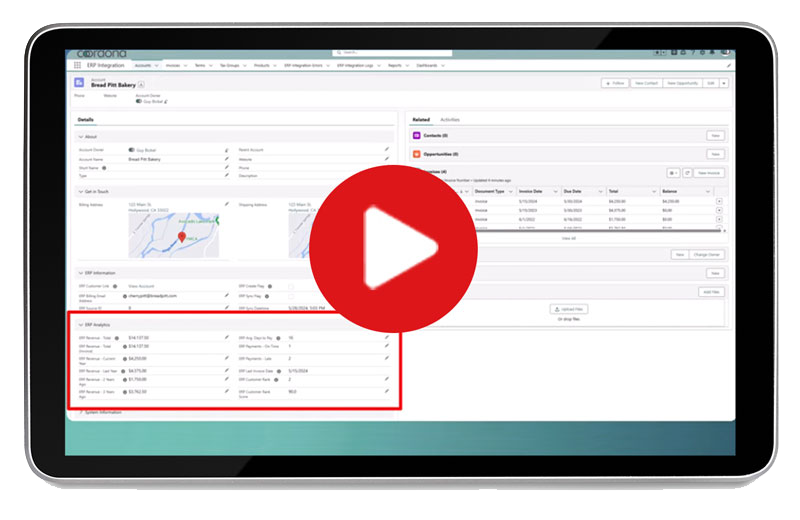
A data integration is a process which combines and moves data from two or more separate computer systems, creating a unified and consistent view of the information. For example, your company stores customer information in a CRM solution and uses a separate accounting system for billing purposes. While on the phone with a customer, they have a question about their last invoice. To answer that question you would need to ask them to hold while you login to the accounting system and pull up their billing records. With an integration between these two systems, you would already have access to their billing records from inside of your CRM. No extra login steps needed!
Why would I want to integrate systems?
Using the previous scenario, we immediately see an improvement in the customer experience because they are no longer waiting for the customer service representative to login to multiple systems and find pertinent information. Their question can be answered right from the CRM system. Lastly, by combining data into centralized locations, you open your company up for new and more robust reporting opportunities – want to see what that customer LTV is? Or perhaps the average dollars per call brought in for a customer with a high number of service calls? An integration is an easy way to get there!
Along with the increased efficiency discussed above, a data integration can lead to:
- Better Decision-Making: Business Leaders can make more informed decisions when they have a complete view of relevant data.
- Improved Data Quality: Data can be clean and standardized during the integration process which increases the accuracy and consistency of the data.
An integration can also remove manual data entry or upload processes, which decreases the risk of user error.
How can data integration save software licensing costs?
When one or multiple systems are displayed directly in the CRM, your teams do not need separate licenses for each system, only the CRM. In our example above, the customer service representative no longer needs access to the accounting system. Should they even be in there anyways? Do you want customer service representatives or salespeople to have access to the accounting system of truth? It’s often best to keep access to those systems separate, and only available to the accounting team, but share relevant aspects of the data throughout the organization.
How does a data integration typically work?
A data integration involves the following three steps:
- Extract: This is where we pull out the necessary information from the source system, typically using an “API.” Typically, cloud-based software will provide an API and related documentation to allow for data extraction. Using code and other industry-standard tools, data can be pulled out of that system for manipulation and use elsewhere.
- Transform: Systems store information in different formats. During this step we manipulate the source system’s data into a form that the target system will accept. Do you like a MM/DD/YY format? DD/MM/YYYY? Making that type of normalization is an example of a simple data transformation!
- Load: Once the data has been transformed, all that’s left is to load the data to the target system. This involves updating existing records or creating new records that do not already exist.
Customer Experiences